
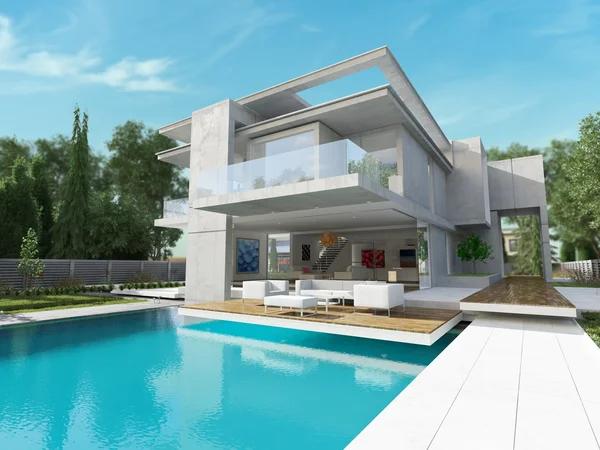
Building a custom swimming pool is an exciting project that can greatly enhance your home’s value and provide endless enjoyment for family and friends. However, before diving into construction, it is essential to understand several key aspects to ensure the process goes smoothly and meets your expectations. First, consider your budget carefully. Custom pools vary widely in cost depending on size, materials, features, and landscaping. Establishing a realistic budget early helps avoid surprises later and allows you to prioritize elements that matter most.
Next, think about the purpose of the pool. Are you looking for a space primarily for exercise, relaxation, entertaining guests, or adding aesthetic appeal? Your intended use will influence design choices such as depth, shape, lighting options, heating systems, Nassau Pools and Spas additional amenities like waterfalls or spas. Consulting with a professional pool designer can help translate your vision into practical plans while considering site limitations.
Location plays a crucial role in pool construction. The layout of your yard affects where the pool can be placed safely without interfering with underground utilities or existing structures. Sun exposure is another factor; positioning the pool to maximize sunlight improves water temperature naturally and enhances comfort during use. Additionally, check local zoning laws and homeowner association rules regarding permits or restrictions on pool installation.
Choosing the right type of pool material is important as well. Common options include concrete (gunite), fiberglass shells, or vinyl liners-each has distinct advantages related to durability, maintenance requirements, installation timeframes, and cost implications. Concrete pools offer flexibility in shape but usually take longer to build; fiberglass pools are quicker but come in pre-molded designs; vinyl liners are affordable yet may require more frequent replacement.
Maintenance should not be overlooked when planning a custom swimming pool. Pools demand regular cleaning along with chemical balancing to keep water safe and clear throughout the year. Automated systems like saltwater chlorinators or robotic cleaners can reduce manual effort but might increase initial expenses.
Finally, work only with licensed contractors who have proven experience in custom swimming pool construction within your region. Request references and review portfolios of completed projects similar to yours before signing contracts. Clear communication about timelines and payment schedules reduces misunderstandings during building phases.
Taking time upfront to research these factors ensures you create a beautiful outdoor oasis tailored specifically for your lifestyle while avoiding costly mistakes down the line. Proper planning combined with expert guidance leads to lasting satisfaction from owning a custom-designed swimming pool at home.