
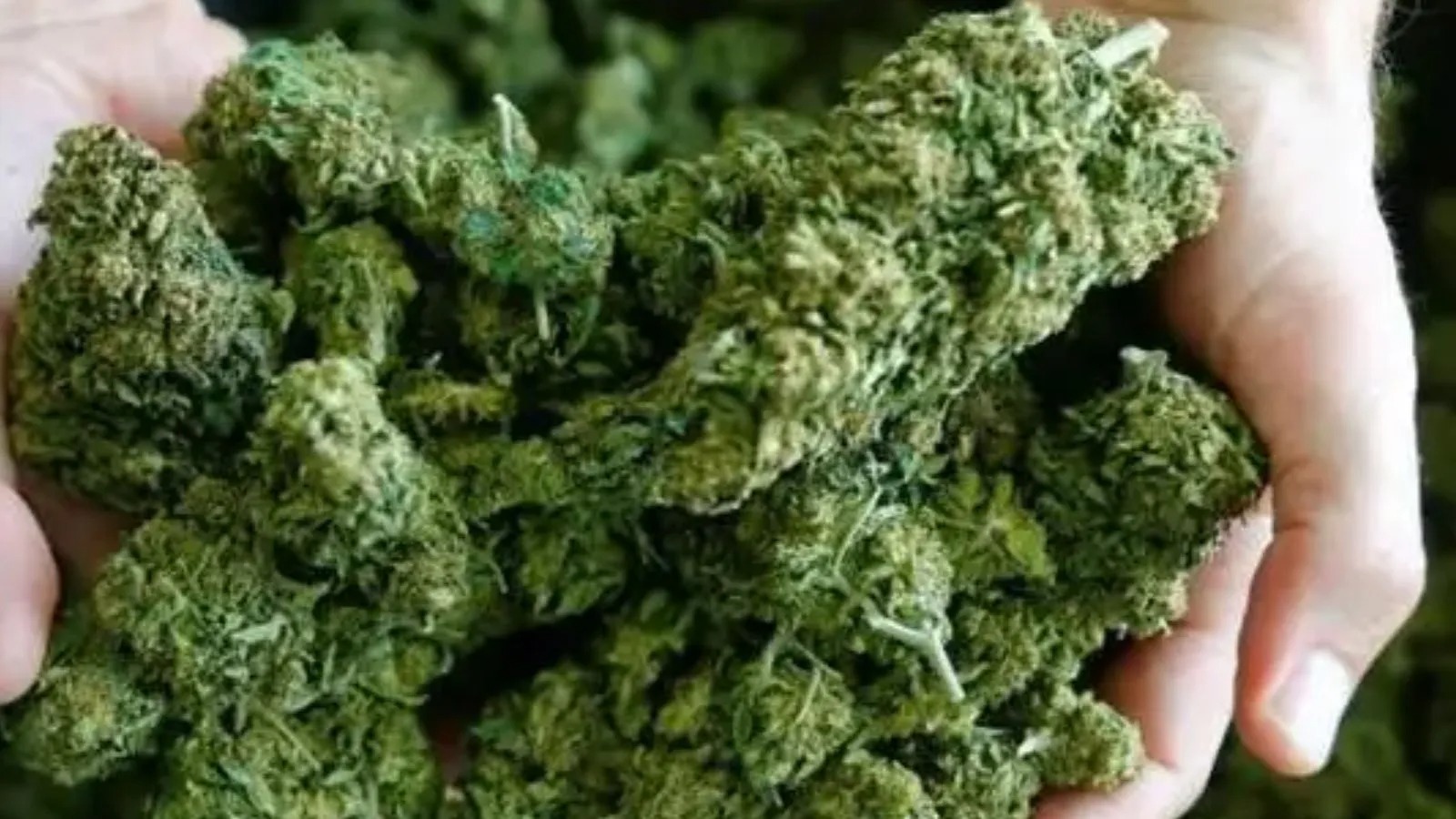
Cannabis, often referred to as weed, has been a topic of both intrigue and controversy for decades. With the gradual shift in legal status across various regions and an increasing body of research exploring its effects, cannabis is now being recognized not only for its recreational use but also for its potential therapeutic benefits. This comprehensive guide seeks to provide expert insights into the world of cannabis, shedding light on its uses, benefits, and considerations.
To begin with, it’s essential to understand the basic components of cannabis that contribute to its effects: cannabinoids. The two most well-known cannabinoids are THC (tetrahydrocannabinol) and CBD (cannabidiol). THC is primarily responsible for the psychoactive effects associated with marijuana use—the “high” feeling—while CBD is non-psychoactive and lauded for its potential medicinal properties. Research suggests that CBD may help alleviate symptoms related to anxiety, chronic pain, inflammation, and even epilepsy without inducing any intoxicating effects.
The method of consumption plays a significant role in determining both the onset time and intensity of cannabis’s effects. Smoking or vaping leads to almost immediate results due to rapid absorption through the lungs. In contrast, edibles take longer—usually 30 minutes to 2 hours—to kick in because they must first be metabolized by the digestive system. This delayed onset can sometimes lead users to consume more than intended while waiting for effects to appear.
When considering cannabis use from a medical perspective, it’s vital to consult healthcare professionals who are knowledgeable about cannabinoid therapy. They can provide guidance tailored specifically towards individual health needs and conditions. Medical marijuana has been employed in managing symptoms associated with multiple sclerosis (MS), cancer-related nausea from chemotherapy treatments, PTSD among veterans suffering trauma-induced stress disorders as well as various other ailments where traditional pharmaceuticals may fall short or induce unwanted side-effects.
However beneficial it might seem at face value; caution should always prevail when navigating this complex plant landscape particularly given varying potencies between different strains available today which could pose heightened risks especially amongst novice consumers unfamiliar territory altogether! While some people find relief using certain types others might experience adverse reactions depending personal tolerance levels genetic predispositions underlying mental health issues potentially exacerbated excessive intake over prolonged periods usage unchecked moderation key maintaining balance harmony overall wellbeing long-term basis irrespective whether choosing partake leisurely medicinally alike!
In conclusion understanding nuances surrounding Weed requires informed decision-making grounded scientific evidence rather than mere hearsay anecdotal accounts alone ensuring individuals make choices best suited their unique circumstances preferences ultimately leading healthier happier lives enriched knowledge empowerment derived complete guide expert insights offered herein fostering deeper appreciation multifaceted nature remarkable herb continues captivate humanity worldwide ever-evolving journey discovery innovation exploration awaits those willing embark upon path enlightenment mindful respect responsibility shared community globally interconnected society today tomorrow beyond!