
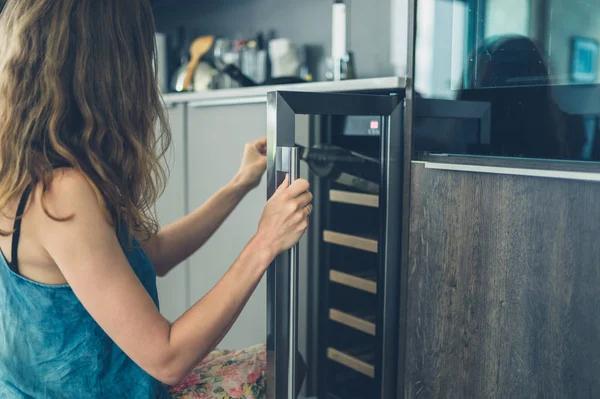
Wine cooler temperature settings play a crucial role in preserving the quality and enhancing the flavors of your wine collection. Understanding these settings is essential for both casual drinkers and serious collectors, as improper temperatures can negatively impact the taste, aroma, and aging process of wines. Generally, wine coolers are designed to maintain specific temperature ranges tailored to different types of wine, such as red, white, sparkling, and rosé.
Most wine coolers offer adjustable temperature controls, allowing users to set the internal environment between approximately 40°F and 65°F (4°C to 18°C). This range covers the ideal storage and serving temperatures for various wines. For example, white wines are typically stored and served at cooler temperatures, often between 45°F and 55°F (7°C to 13°C), which helps maintain their crispness and acidity. On the other hand, red wines usually benefit from slightly warmer temperatures, around 55°F to 65°F (13°C to 18°C), which promotes the development of richer aromas and smoother tannins.
Some advanced wine coolers feature dual-zone temperature controls, enabling separate compartments to be set at different temperatures simultaneously. This feature is particularly beneficial for collectors who store both red and white wines, allowing each type to be kept at its optimal temperature without compromise. Dual-zone coolers typically have one zone set between 45°F and 55°F for whites and sparkling wines, while the other zone is maintained between 55°F and 65°F for reds.
It is important to note that the temperature you set on your Wine Cooler should not be confused with the serving temperature. Wine stored in a cooler at the proper temperature may need to be adjusted before serving to achieve the ideal drinking temperature. For instance, red wines stored at 60°F might be slightly chilled before serving, while white wines kept at 50°F might be allowed to warm up a bit.
Consistent temperature control is vital, as fluctuations can cause premature aging or spoilage of wine. Many modern wine coolers come equipped with digital thermostats and insulation to minimize temperature swings. Maintaining a stable environment also involves avoiding placing the cooler in areas exposed to direct sunlight or extreme ambient temperatures.
In conclusion, understanding wine cooler temperature settings ensures that your wines are stored in conditions that protect their integrity and flavor profile. Selecting the right temperature based on wine type and using features like dual zones can greatly enhance your wine experience. Proper temperature management helps preserve your investment and allows you to enjoy each bottle at its best.