
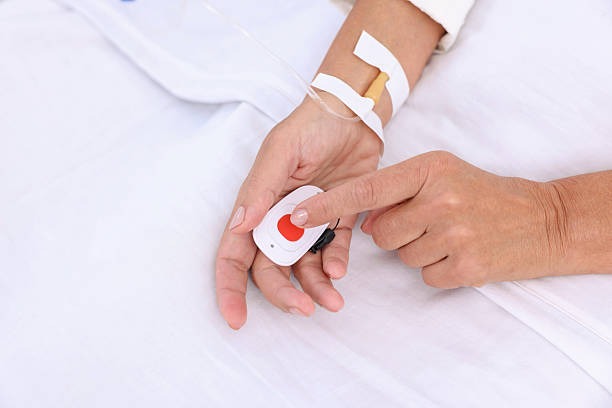
In modern healthcare settings, efficient communication between patients and caregivers is paramount to delivering high-quality care. Nurse call solutions have become an essential component in hospitals, nursing homes, and assisted living facilities, enabling timely responses to patient needs while optimizing workflow for healthcare professionals. These systems streamline communication, reduce response times, and enhance overall care management, contributing significantly to patient satisfaction and safety.
Traditional nurse call systems primarily consisted of basic call buttons connected to a central nursing station. While functional, these systems often lacked integration with other hospital technologies and limited the ability to prioritize alerts based on urgency. Today’s nurse call solutions have evolved with advancements in technology, offering sophisticated features such as wireless communication, real-time location tracking, and customizable alert settings. These innovations allow healthcare providers to respond more efficiently and allocate resources effectively.
One of the key benefits of modern nurse call solutions is their ability to facilitate effective care management by improving communication clarity. When a patient activates the call system, the alert is transmitted immediately to designated staff members via mobile devices, pagers, or centralized displays. This direct communication reduces the risk of missed or delayed responses, which can be critical in emergency situations. Additionally, some systems incorporate voice communication, allowing caregivers to assess the patient’s condition before arriving, thus preparing for the appropriate intervention.
Integration with electronic health records (EHR) and other hospital management software further enhances the utility of nurse call solutions. Care teams can document responses promptly, track response times, and analyze data for quality improvement initiatives. This integration supports a proactive approach to patient care, enabling administrators to identify patterns, optimize staffing levels, and improve overall operational efficiency.
Moreover, nurse call solutions contribute to patient safety by ensuring that alerts are prioritized based on the nature of the request. Advanced systems use algorithms to classify calls, distinguishing between routine assistance and emergencies. This prioritization helps prevent alarm fatigue among nursing staff, a common challenge in busy healthcare environments, by reducing unnecessary interruptions and focusing attention where it is most needed.
In conclusion, nurse call solutions are indispensable tools for effective care management in healthcare facilities. They enhance communication, reduce response times, and integrate with broader healthcare technologies to improve patient outcomes and operational efficiency. As healthcare continues to evolve, investing in advanced nurse call systems is a strategic move that supports both caregivers and patients, ensuring timely, compassionate, and efficient care delivery.