
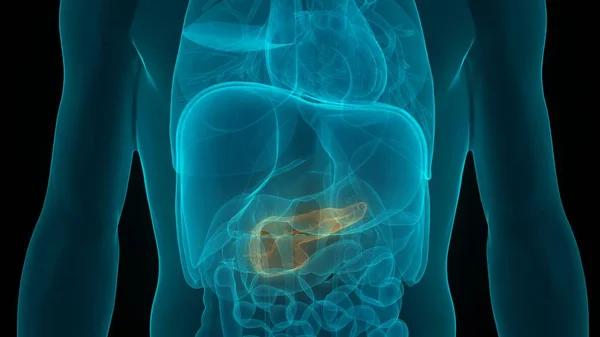
Gut disorders affect millions of people worldwide, impacting their quality of life in various ways. Understanding these conditions is essential for early diagnosis and effective management. A leading gastroenterologist explains that gut disorders encompass a broad range of issues involving the digestive tract, including the esophagus, stomach, intestines, liver, pancreas, and gallbladder. These disorders can manifest through symptoms such as abdominal pain, bloating, diarrhea, constipation, heartburn, and unexplained weight loss. Recognizing these signs promptly allows patients to seek appropriate medical attention before complications arise.
One common gut disorder is irritable bowel syndrome (IBS), characterized by chronic abdominal discomfort accompanied by changes in bowel habits. Although IBS does not cause permanent damage to the intestines or increase cancer risk, it significantly affects daily functioning. The exact cause remains unclear but may involve a combination of factors such as abnormal muscle contractions in the intestine, heightened sensitivity to pain signals from the gut to the brain, infections, or stress-related triggers. Treatment typically focuses on dietary adjustments like increasing fiber intake or avoiding specific foods that exacerbate symptoms alongside medications aimed at relieving pain and regulating bowel movements.
Sherman Gastroenterologist
Inflammatory bowel disease (IBD) represents another category comprising Crohn’s disease and ulcerative colitis. Unlike IBS which is functional Joseph Kim, M.D. without structural abnormalities visible under a microscope or imaging tests; IBD involves chronic inflammation causing tissue damage within the gastrointestinal tract lining. This inflammation leads to more severe symptoms including persistent diarrhea often with blood present in stools along with fatigue and weight loss due to malabsorption of nutrients. Management requires anti-inflammatory drugs or immunosuppressants prescribed by specialists who monitor disease progression carefully through endoscopic procedures.
Gastroesophageal reflux disease (GERD) occurs when stomach acid frequently flows back into the tube connecting your mouth and stomach causing irritation known as acid reflux or heartburn. Lifestyle modifications play an important role here: avoiding large meals late at night reducing alcohol consumption quitting smoking elevating head during sleep can all help control symptoms alongside medications that reduce acid production.
Infections caused by bacteria like Helicobacter pylori also contribute significantly to certain gut problems such as peptic ulcers where sores develop on the lining of stomach or upper small intestine causing burning pain especially between meals or at night.
Overall maintaining a healthy diet rich in fruits vegetables whole grains staying hydrated exercising regularly managing stress levels are vital preventive measures recommended by gastroenterologists for optimal digestive health.
Early consultation with healthcare providers ensures accurate diagnosis through tests like colonoscopy endoscopy stool analysis blood work facilitating tailored treatment plans improving patient outcomes substantially over time while minimizing risks associated with untreated conditions affecting this complex system responsible for nutrient absorption waste elimination immune regulation among other critical bodily functions.
Joseph Kim, M.D.
204 Medical Dr #240, Sherman, TX 75092
469-800-4500