
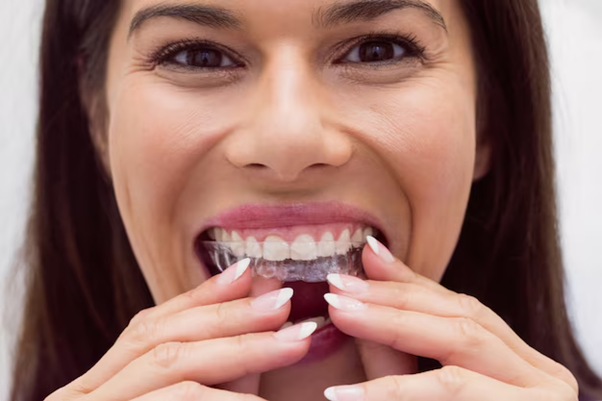
Invisalign treatment is widely recognized for its convenience, comfort, and discreet appearance. However, like any dental procedure, it is not entirely free from unexpected situations. While most patients experience a smooth journey, certain emergencies can arise that require prompt attention and proper handling to prevent delays or complications.
When beginning treatment with a Lake Mary Invisalign dentist, patients are typically guided through the process, including how to wear aligners, maintain hygiene, and switch trays on schedule. Despite this preparation, unforeseen issues such as lost aligners, discomfort, or damage to attachments can still occur.
In some cases, these situations may require immediate attention similar to emergency dentistry, especially if there is pain, injury, or risk of treatment disruption. Understanding how to respond effectively ensures that progress continues without compromising oral health.
Lost or Misplaced Aligners: What to Do Immediately
One of the most common issues during Invisalign treatment is losing or misplacing an aligner. Since each aligner is part of a carefully planned sequence, missing even one can affect the overall progress.
If an aligner is lost, patients should act quickly. The first step is to determine whether to move forward to the next aligner or temporarily revert to the previous one. This decision depends on how long the current aligner has been worn.
In general, patients may:
- Move to the next aligner if they are close to the scheduled change date
- Wear the previous aligner to maintain tooth position
- Contact their dentist for specific guidance
Prompt action prevents teeth from shifting backward and ensures continuity in treatment.
Cracked or Damaged Aligners
Aligners are designed to be durable, but they are not indestructible. Cracks or damage can occur if they are handled roughly, exposed to heat, or bitten incorrectly.
A damaged aligner may not fit properly, reducing its effectiveness. If this happens, it is important to avoid continuing with a compromised tray.
Patients should:
- Switch to the previous or next aligner, depending on timing
- Avoid wearing a broken aligner that could irritate the gums
- Seek professional advice to determine the best course of action
Handling aligners with care and storing them properly can help prevent such issues.
Severe Discomfort or Pain
Mild discomfort is expected when starting a new aligner, as teeth gradually shift into position. However, severe or persistent pain is not typical and may indicate a problem.
This type of discomfort could be caused by:
- Ill-fitting aligners
- Excessive pressure on certain teeth
- Underlying dental issues
To manage this situation, patients can use cold compresses, take recommended pain relief, and temporarily remove the aligner if necessary. However, it is crucial to consult a dental professional if the pain does not subside.
Early intervention ensures that the treatment remains safe and effective.
Broken or Loose Attachments
Attachments are small tooth-colored bumps bonded to teeth to help aligners apply precise pressure. If one becomes loose or falls off, it can affect how the aligners function.
While this may not always require immediate emergency care, it should not be ignored. Missing attachments can delay progress or lead to improper tooth movement.
Patients should schedule a dental visit to have the attachment repaired. In the meantime, continuing to wear aligners as instructed helps maintain progress.
Avoiding hard or sticky foods can reduce the risk of attachment damage.
Gum Irritation and Soft Tissue Injuries
Some patients may experience irritation in the gums, cheeks, or tongue due to aligner edges. While minor irritation is common initially, significant discomfort or sores require attention.
To alleviate irritation, patients can:
- Use orthodontic wax to cover sharp edges
- Rinse with warm saltwater to promote healing
- Ensure aligners are properly seated
If irritation persists or worsens, professional evaluation is necessary to adjust the aligner or address underlying issues.
Maintaining oral hygiene also helps prevent infections and supports healing.
Swallowed or Inhaled Aligners: Rare but Serious Situations
Although rare, there are instances where an aligner may be accidentally swallowed or inhaled. This situation requires immediate attention.
If an aligner is swallowed, it typically passes through the digestive system without harm. However, if there is difficulty breathing or suspicion of inhalation, emergency medical care is essential.
Patients should:
- Stay calm and assess symptoms
- Seek medical assistance if breathing is affected
- Inform their dentist to arrange a replacement aligner
Being mindful while removing and handling aligners can help prevent such incidents.
Delays in Treatment Progress
Emergencies or unexpected issues can sometimes lead to delays in treatment. Missing wear time, losing aligners, or ignoring minor problems can disrupt the planned timeline.
Consistency is key to Invisalign success. Patients should aim to wear aligners for the recommended 20–22 hours per day and follow instructions carefully.
If delays occur, a dentist may adjust the treatment plan to get it back on track. Open communication ensures that any setbacks are managed effectively.
Preventive Measures to Avoid Emergencies
While not all emergencies can be prevented, many can be avoided through proper care and awareness. Developing good habits reduces the likelihood of complications.
Patients are encouraged to:
- Store aligners in a protective case when not in use
- Avoid exposing aligners to heat, which can warp them
- Remove aligners before eating or drinking anything other than water
- Clean aligners regularly to maintain hygiene
These simple practices go a long way in ensuring a smooth treatment experience.
When to Contact Your Dentist Immediately
Knowing when to seek professional help is essential. Some situations require prompt attention to prevent further complications.
Patients should contact their dentist if they experience:
- Severe or persistent pain
- Broken or lost aligners that disrupt treatment
- Signs of infection or swelling
- Attachments that have fallen off
Timely intervention helps maintain progress and protects oral health.
Staying Confident Throughout Your Invisalign Journey
Invisalign treatment offers a flexible and effective way to achieve a straighter smile, but unexpected situations can arise. Being prepared and knowing how to respond ensures that these challenges do not derail progress.
With proper guidance, quick action, and consistent care, most emergencies can be managed easily and without long-term impact. Patients who stay informed and proactive are more likely to achieve successful outcomes.
By understanding potential issues and responding appropriately, patients can continue their Invisalign journey with confidence, ensuring a smooth path toward a healthier, more aligned smile.