
London, known for its vibrant fashion scene and cultural diversity, has become a melting pot where various aesthetics come together to create something truly unique. Among the many faces that grace runways, magazines, and campaigns in this cosmopolitan city are Asian models who embody an impressive range of personal styles and expressions. These individuals not only challenge traditional beauty standards but also bring a fresh perspective to the fashion industry by representing different facets of identity, culture, and creativity. Exploring Asian models in London reveals how they contribute richly to the evolving narrative of style while embracing their distinct personal aesthetics.
One striking aspect of London Asian is their ability to navigate multiple identities simultaneously. Many of these models have roots that span countries like China, Japan, South Korea, India, Vietnam, Malaysia, and the Philippines among others. This diverse background lends itself to a broad spectrum of looks-from delicate elegance inspired by traditional heritage to bold modernity influenced by urban streetwear trends or avant-garde art movements. Some present themselves with minimalist sophistication marked by clean lines and neutral palettes; others favor maximalist approaches featuring vivid colors or eclectic accessories that draw attention effortlessly.
For instance, some Asian models adopt a classic aesthetic reminiscent of timeless icons-think understated makeup paired with sleek haircuts that emphasize natural features rather than overshadow them. This approach often resonates well within high-fashion circles where subtlety speaks volumes about confidence and grace under pressure. Models who embrace this style tend to exude calm professionalism on set yet remain approachable off-camera through warm smiles or candid moments shared via social media platforms.
In contrast stands another group whose personal expression leans heavily into experimental territory: combining elements from punk subculture with traditional motifs or mixing futuristic silhouettes with vintage fabrics sourced from family heirlooms passed down through generations. These individuals use clothing as a form of storytelling-each outfit carefully curated not just for visual impact but also as an homage to their ancestry while pushing boundaries forward at the same time. Their presence challenges viewers’ preconceived notions about what it means to be “Asian” in fashion today.
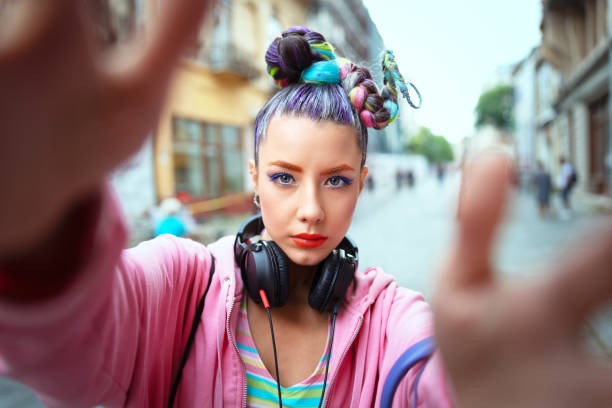
Moreover, there are those who channel influences from K-pop idols or J-fashion trends such as Harajuku’s playful layering techniques infused with pastel hues and quirky accessories like oversized bows or statement earrings shaped like animals or food items popular across Asia’s youth culture scenes. Such choices reflect joyfulness combined with rebellion against homogenized beauty ideals prevalent worldwide decades ago but now increasingly questioned thanks partly due to these trailblazing figures based in cities like London.
Another important dimension lies within representation related specifically to body positivity and gender fluidity among Asian models working in London’s fashion industry. Some openly identify outside binary gender norms using their platform not only for career advancement but also advocacy purposes aimed at inclusivity within modeling agencies traditionally dominated by rigid expectations regarding height measurements or physical proportions aligned strictly along male/female categories alike.
These models demonstrate versatility across editorial shoots requiring everything from hyper-feminine styling emphasizing curves complemented by soft lighting effects-to more androgyne looks featuring tailored suits cut sharply enough so fabric contours hint at musculature beneath without overt display-all while maintaining authenticity tied closely back into lived experiences navigating cultural intersections both personally & professionally throughout metropolitan life hubs such as London itself.