
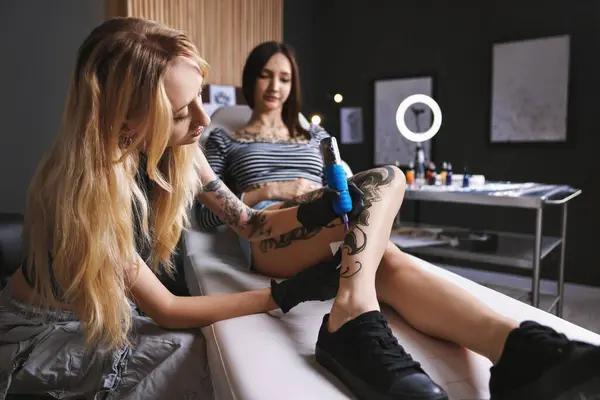
Tattoo and piercing studios prioritize safety to protect both clients and artists during procedures. Ensuring a clean environment is fundamental, beginning with rigorous sanitation of all surfaces and equipment. Studios follow strict hygiene protocols by regularly disinfecting workstations, chairs, and tools before each appointment. This reduces the risk of contamination from bacteria or viruses that could cause infections.
Sterilization plays a crucial role in maintaining safety standards. Most studios use autoclaves-specialized machines that apply high-pressure steam to eliminate microorganisms on metal instruments like needles and forceps. Single-use disposable items are commonly employed for needles, gloves, ink caps, and other materials that come into direct contact with skin or blood. Disposing of these items after one use prevents cross-contamination between clients.
Tattoo artists and piercers adhere to personal protective measures as well. Wearing fresh disposable gloves for every procedure is mandatory, along with changing them immediately if they touch any non-sterile surface during the session. Many professionals also wear face masks to minimize exposure to airborne particles or fluids.
Proper training ensures practitioners understand infection control thoroughly. Reputable studios require their staff to complete certified courses covering anatomy, bloodborne pathogens, sterilization techniques, and emergency response protocols. This education equips them with knowledge about identifying potential learn more risks such as allergic reactions or improper needle depth that could harm clients.
Before any tattooing or piercing begins, thorough consultations take place where technicians assess client health history including allergies, medications taken, or pre-existing conditions like diabetes which may affect healing time or increase infection risk. Clear communication about aftercare instructions is emphasized so clients know how to care for their new tattoo or piercing properly at home.
Studios also comply with local health regulations by undergoing regular inspections conducted by public health officials who verify adherence to sanitation rules and licensing requirements. These inspections help maintain industry standards across different locations ensuring consistent quality control.
In addition to physical cleanliness measures, many establishments implement record-keeping systems documenting each procedure’s details such as date performed, materials used batch numbers for inks or jewelry parts which aids traceability if complications arise later on.
Overall safe practices in tattoo and piercing studios revolve around meticulous cleanliness routines combined with professional expertise focused on minimizing infection risks while promoting positive client experiences through clear guidance before during and after body modification services are provided reliably every time without compromise on health standards ensuring trust within this growing industry sector worldwide remains strong among consumers seeking artistic expression safely realized through tattoos and piercings alike.