
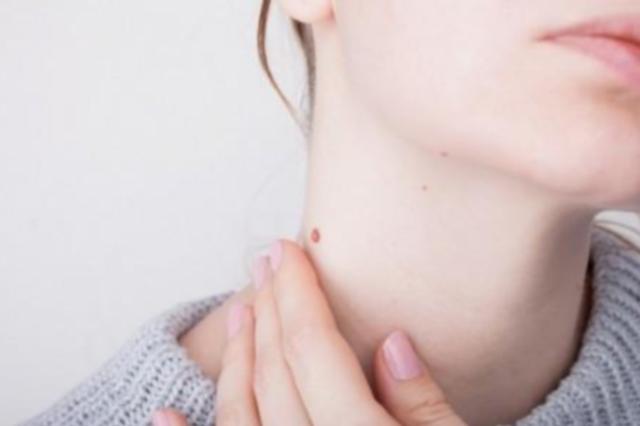
Mole removal is a common cosmetic and medical procedure, yet for individuals with dark skin tones, it requires particular consideration to avoid complications such as scarring or pigmentation changes. Understanding the nuances of mole removal in darker skin is crucial for achieving desirable outcomes while maintaining healthy skin.
Dark-skinned individuals often face unique challenges due to higher melanin levels, which can affect how the skin heals post-procedure. Melanin provides natural protection against UV rays but also influences how the skin responds to trauma or injury. When considering mole removal, it’s essential for those with dark complexions to consult a dermatologist experienced in treating diverse skin types.
A key concern is post-inflammatory hyperpigmentation (PIH), where the treated area becomes darker than the surrounding skin after healing. This condition occurs when excess melanin production is triggered by inflammation during or after mole removal. To mitigate this risk, dermatologists might recommend pre-treatment with topical agents like hydroquinone or retinoids that help regulate melanin production and promote even healing.
Another potential issue is keloid formation—raised scars that occur more frequently in people with darker skin tones. Keloids result from an overproduction of collagen at the wound site and can be more pronounced following minor surgical procedures like mole excision. Selecting moleremovalat.com guide a skilled practitioner who uses meticulous techniques can minimize this risk.
1. **Surgical Excision**: This involves cutting out the mole along with some surrounding tissue using a scalpel under local anesthesia. While effective, it carries a higher risk of scarring and keloid formation on dark-skinned patients if not performed carefully.
2. **Laser Removal**: Lasers target pigment within moles without affecting surrounding tissues significantly, making them suitable for superficial moles but less so for deeper ones due to potential color mismatch during healing.
3. **Cryotherapy**: Freezing off moles using liquid nitrogen may lead to hypopigmented spots—areas lighter than normal—which could be cosmetically undesirable on dark complexions.
4. **Radiofrequency Shaving**: This technique involves shaving down raised moles using high-frequency radio waves; it’s less invasive and tends to heal well when performed correctly on darker skins.
Regardless of method chosen, proper aftercare plays an integral role in preventing adverse effects post-removal—from applying sunscreen diligently to avoiding unnecessary sun exposure which could exacerbate pigmentation issues during recovery.
In conclusion, successful mole removal on dark skin necessitates tailored strategies focusing on minimizing risks while ensuring aesthetic satisfaction—a collaborative effort between patient vigilance and expert dermatological care ensures optimal results.