
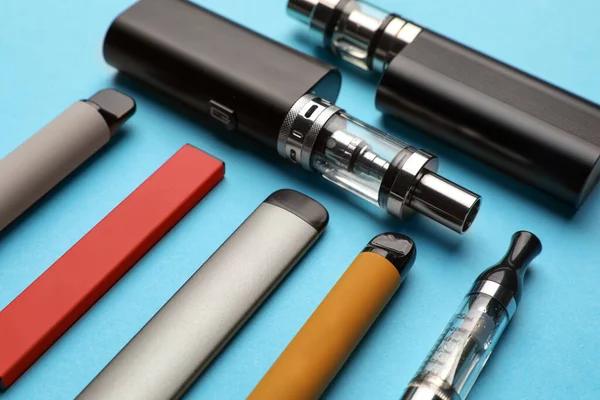
Edibles, smoking, and vaping are popular methods of consuming cannabis, each offering distinct experiences due to how they interact with the body. Understanding the science behind these consumption methods can illuminate why their effects vary so significantly.
When cannabis is smoked or vaped, cannabinoids like THC (tetrahydrocannabinol) are rapidly absorbed into the bloodstream through the lungs. This method allows THC to quickly reach the brain, often leading to an almost immediate onset of effects within minutes. The rapid absorption results in a quicker peak and shorter duration of effects, typically lasting one to three hours. Smoking or vaping provides users with more control over their experience as they can adjust dosage based on how they feel in real-time.
In contrast, edibles introduce cannabinoids into the body through a completely different pathway. When consumed orally, edibles must first pass through the digestive system and liver before entering the bloodstream. This process takes significantly longer—usually between 30 minutes to two hours for initial effects to be felt—because it involves digestion and metabolic conversion. In the liver, THC is converted into 11-hydroxy-THC, a compound that crosses the blood-brain barrier more easily than THC itself and produces more potent psychoactive effects.
The delayed onset and increased potency explain D8 GAS why many individuals report stronger experiences with edibles compared to smoking or vaping even when consuming similar doses of THC. Additionally, because edibles take longer to metabolize fully in comparison with inhalation methods, their effects tend to last much longer—often between four and eight hours.
The variability in response time also introduces some challenges; inexperienced users might consume additional doses too soon after not feeling immediate effects from an edible dose initially taken—a mistake that can lead to uncomfortable levels of intoxication once all doses cumulatively take effect.
Moreover, individual factors such as metabolism speed play a significant role in how one might experience edibles versus smoking or vaping cannabis products. Factors such as age, weight distribution across muscle mass versus fat content where cannabinoids may be stored temporarily before release back into circulation influence personal experiences considerably when using edibles specifically since these factors affect digestion rates directly impacting onset times accordingly while influencing overall intensity experienced per session compared against other delivery systems available today including both traditional combustion-based options alongside modern vaporization technologies alike.